

.png)
15 September 2024
In the world of competitive intelligence, speed and accuracy are paramount. The ability to review hundreds of documents in record time can make or break a company’s competitive edge. But what if your AI assistant didn’t just analyze text, but could also understand and interpret visuals – like figures, drawings, and charts – alongside the written content?
Enter Qthena, the AI-powered research assistant that goes beyond traditional document review, bringing a new level of intelligence to the table. Not only can it process vast amounts of documents in bulk, but it can also assess non-text elements such as images, diagrams, and tables, unlocking entirely new possibilities for patent analysis, compliance, and more.
Case Study: Qthena’s Astonishing Visual Intelligence in Patent Review
Imagine trying to find a relevant patent without relying on keywords. Instead, you use a simple, natural language query. We posed this challenge to Qthena: Could it identify the correct patent based on a visual cue, without any help from the text?
The query was straightforward:
“Review this patent and let me know if there is an image, not just text, showing a figure or drawing of someone talking to a wristband or a type of device mounted to the wrist of a user.
If yes, summarize in 100 words or less what that drawing depicts.”
Sounds impossible, right? How can an AI system “see” and understand figures in the way a human would, without relying on textual clues? Most traditional patent search methods rely heavily on keyword-based searches, but Qthena changes the game with its natural language processing and visual capabilities.
The Result:
Qthena analyzed the documents provided and correctly identified the document showing a user interacting with a wrist-mounted device (think smartwatch), complete with speech bubbles indicating the user was talking into the device. Without any textual reference to guide it, Qthena confidently identified the correct document and responded, “Yes,” and delivered a succinct 100-word summary of what the image depicted.
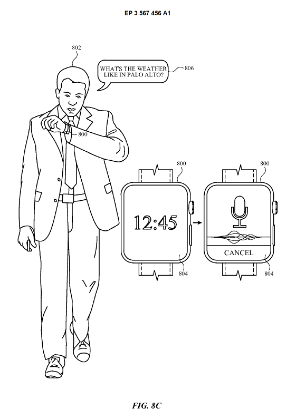
What’s truly remarkable is that Qthena wasn’t using keywords or text description to find the correct result among the documents provided. Instead, it pulled this insight purely from analyzing the image, demonstrating a level of visual intelligence rarely seen in AI systems today.
Unlocking New Use Cases with Qthena Vision
Qthena’s ability to analyze both textual and visual data in documents opens up new possibilities beyond traditional patent review. Here are a few real-world scenarios where Qthena’s vision capabilities shine:
- Patent Portfolio Review
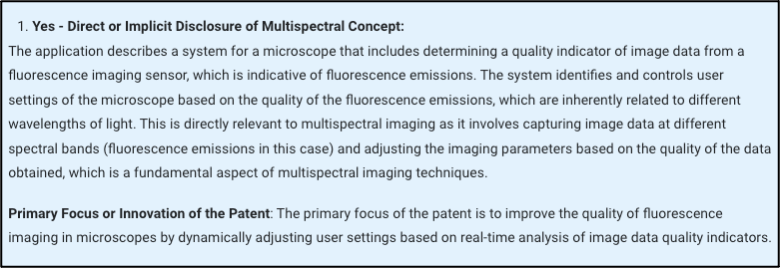
Qthena can review, summarize, and tag documents based on technology labels or taxonomy. But its true power lies in its ability to interpret tables, charts, and figures, offering comprehensive insights that go beyond the written text. This makes portfolio reviews faster, more accurate, and more insightful. Here is a sample answer delivered by Qthena during such a use case:
- Markush Claims
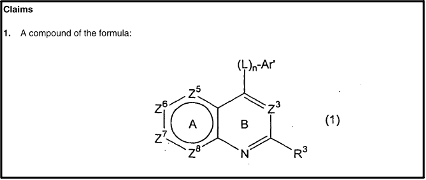
Complex chemical patents often include Markush structures – chemical compounds displayed as images. Qthena can visually assess whether Claim 1 covers a specific compound or even answer questions like “Is this compound disclosed?” By seeing and understanding images, Qthena can perform deeper reviews, improving accuracy and comprehension.
- Patent Maintenance Fee Review
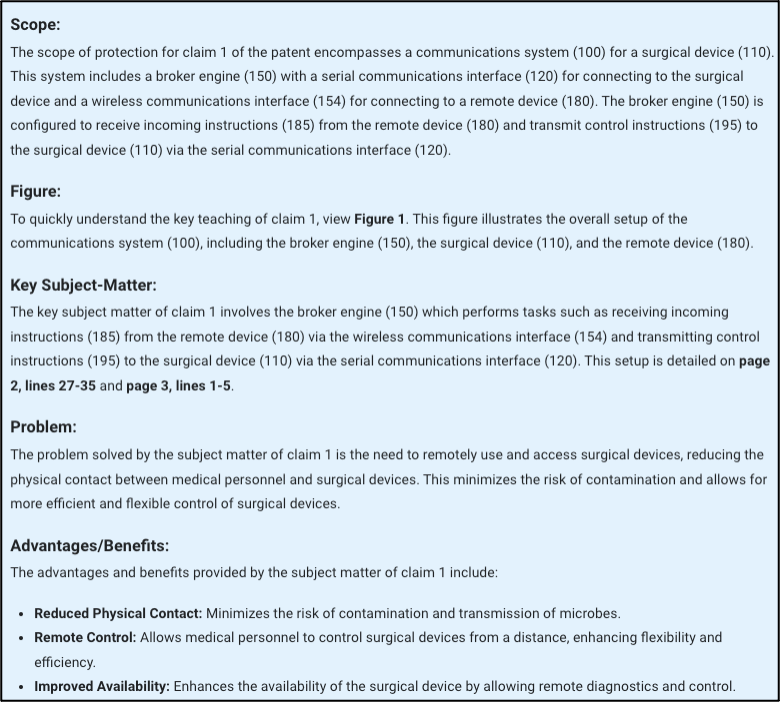
For non-patent professionals, understanding the actual scope of a patent can be challenging. Qthena simplifies this by summarizing the desired claim of each patent and providing a visual recommendation on which figures or diagrams to review for quick comprehension. This helps professionals quickly decide whether a patent justifies continued maintenance fees. This is also an incredible time saver for patent professionals and paralegals that need to prepare such maintenance review meetings, and usually prepare such information manually.
- Due Diligence
Whether you’re conducting a patent landscaping exercise or preparing for an acquisition, Qthena Vision speeds up the process by rapidly analyzing patent portfolios. It can instantly flag key technology areas by interpreting images and figures, helping you make informed decisions faster. It also makes it significantly easier to identify the relevant patents of that particular product your are interesting in during your due diligence review.
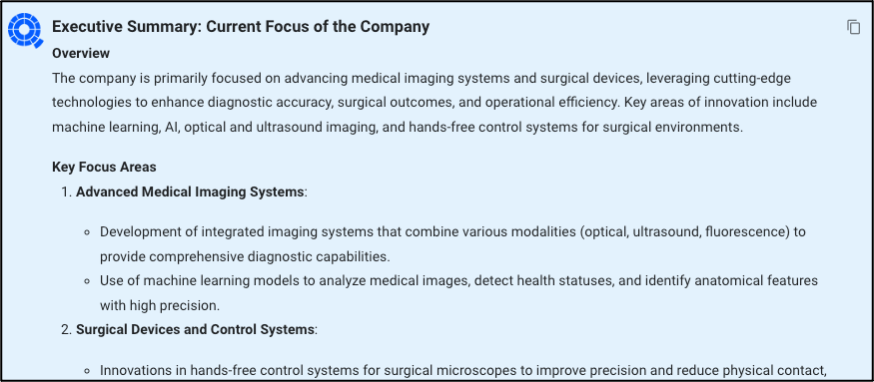
- Review Marketing Brochures for Correct Trademark Usage
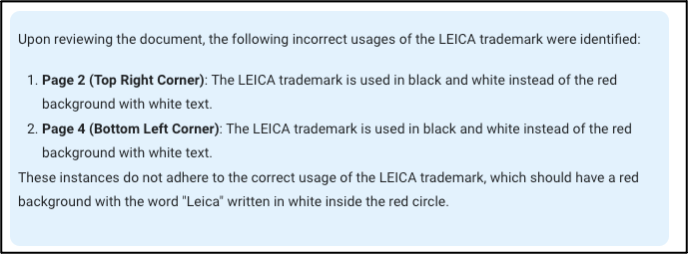
Ensuring correct trademark usage in marketing materials is critical for brand integrity and legal compliance. With Qthena, you can quickly review brochures to verify correct use of trademarks, ensuring your marketing aligns with legal standards without spending hours on manual checks.
- Science papers and Product brochures
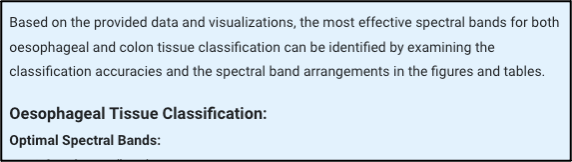
Qthena is also perfect for automating the review of large sets of science papers or product brochures. Its ability to analyze images, figures, and tables makes it a valuable tool for literature studies and competitive product analysis, saving you time while improving accuracy.
Conclusion
Qthena’s performance throughout these use cases is nothing short of astonishing. Its ability to analyze visual data, not just text, and extract critical information, empowers you to reach the next-level in productivity gains for your daily workflows.
In the context of patent review, this means you’re no longer limited to keyword searches or text-heavy descriptions. Qthena opens the door to a new era of document review, where a simple plain-language query can unlock insights buried in figures, diagrams, tables, and more.
Curious about how Qthena can transform your patent review process? Let’s talk and explore how this breakthrough technology can drive efficiency in your organization.
.png)

.png)