
 Close
Close- Patent

- Trademark
- Innovation
- Solutions
- Contact
 IP Intelligence Software











- Learn & Support
- Learn and support
- Webinars & EventsAre you interested in attending one of our online or onsite event?
- Product TrainingsCustomer success is our priority. Increase your skills in the use of Questel’s software
- Product NewsA platform dedicated to software and platforms news and evolutions
- Best-in-class Customer ExperienceOur goal is to exceed our clients' expectations and share best practices
- IP TrainingIncrease the IP-IQ of your entire organization with engaging IP training programs
- Newsletter subscriptionSign up for our quarterly patent and trademark newsletters and set your email preferences below.
- Webinars & Events
- Resource HubStay up-to-date with industry best practices with our latest blogs
- Resource Hub
- About Questel
- Learn & Support
- Learn and support
- Webinars & EventsAre you interested in attending one of our online or onsite event?
- Product TrainingsCustomer success is our priority. Increase your skills in the use of Questel’s software
- Product NewsA platform dedicated to software and platforms news and evolutions
- Best-in-class Customer ExperienceOur goal is to exceed our clients' expectations and share best practices
- IP TrainingIncrease the IP-IQ of your entire organization with engaging IP training programs
- Newsletter subscriptionSign up for our quarterly patent and trademark newsletters and set your email preferences below.
- Webinars & Events
- Resource HubStay up-to-date with industry best practices with our latest blogs
- Resource Hub
- About Questel


From Research to Real-World Impact: AI’s Growing Role in Environmental Innovation and the Chemical Industry
The use of AI in the chemicals market is evolving rapidly, with new technologies already reshaping chemical engineering, manufacturing, and environmental monitoring. Rabeb Boughanmi explores what Questel’s patent landscape analysis reveals about innovation trends in this fast-developing field.
In an era defined by climate urgency, regulatory pressure, and the demand for sustainable growth, the chemical and environmental industries are standing at the forefront of a technological revolution. Artificial intelligence (AI) is actively reshaping these sectors, from molecular discovery and catalyst design to waste management and pollution control. By enabling smarter, data-driven decisions, AI helps companies and researchers accelerate innovation, reduce resource consumption, and minimize environmental impact.
According to a report by Grand View Research, AI in the global chemicals market was valued at USD 943 million in 2023 and is projected to reach approximately USD 5.24 billion by 2030, growing at a compound annual growth rate (CAGR) of 27.8%. This rapid expansion underscores how breakthroughs in machine learning, data analytics, and computational power are accelerating AI adoption across chemical engineering, water treatment, pollution mitigation, and sustainable manufacturing.
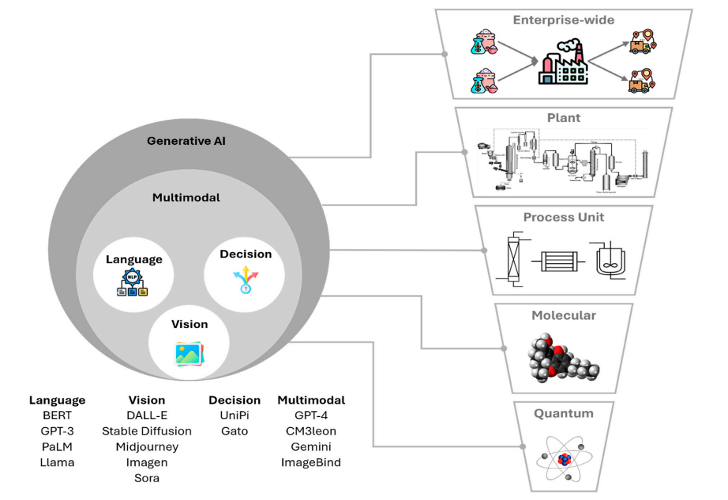
Figure 1: GenAI scales in chemical engineering (Decardi-Nelson B, Alshehri AS, and You F (2024), Frontiers in Chemical Engineering)
Part One: Key Applications of AI in Chemical and Environmental Processes

- Molecular and Materials Discovery
AI is revolutionizing molecular and materials discovery by predicting properties such as stability, reactivity, and catalytic activity, and by enabling generative design of catalysts and polymers through data-driven modeling. In materials acceleration platforms (MAPs), AI integrated with automation accelerates the discovery of efficient CO₂ photo- and thermocatalysts. Recent workflows combining large-language models (LLMs), Bayesian optimization, and active learning have optimized catalyst synthesis for ammonia production, refining reaction pathways with remarkable precision. AI further advances synthetic route prediction and automated chemical synthesis, reinforcing its role as a cornerstone of accelerated molecular innovation.
- Process Optimization and Automation
In process engineering, AI is transforming production by optimizing reaction conditions, automating experiments, and controlling operations in real time. The AutoChemSchematic AI framework generates process and instrumentation diagrams, effectively connecting laboratory discovery with industrial-scale manufacturing. Hybrid predictive control systems optimize ethylene production by continuously adjusting operational parameters to maintain high efficiency and yield, while AI-driven approaches enhance industrial membrane process performance, improving separation efficiency and reducing energy consumption.
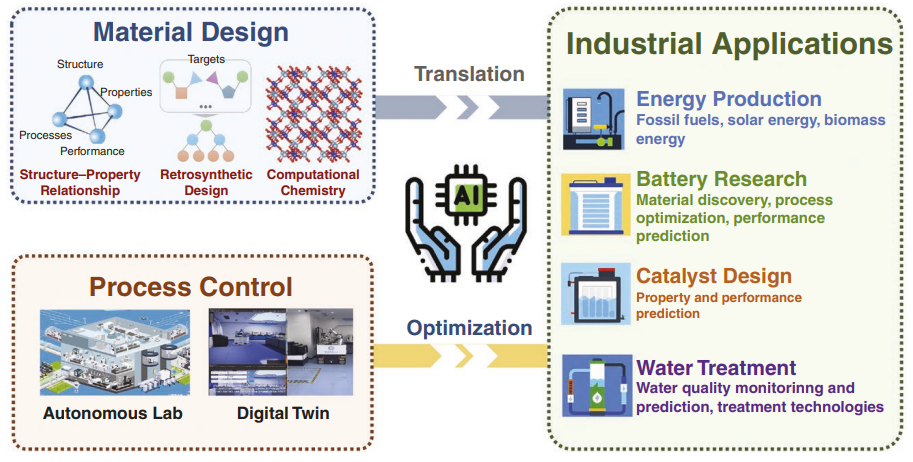
Figure 2: AI-driven integration of material design and process control for industrial applications. Source: OUP (October 2025)
- Water and Wastewater Treatment
AI is increasingly applied to optimize wastewater treatment and enhance pollutant removal by predicting system performance and controlling treatment parameters. Machine learning models estimate removal efficiencies, detect emerging contaminants, and manage adsorption processes, as demonstrated by AI-driven models that predict pollutant adsorption and optimize water treatment plant operations. AI is also employed to detect pharmaceuticals and personal care products in water systems through chromatographic and spectrometric modeling, improving detection confidence and monitoring accuracy.
- Environmental Monitoring and Pollution Control
AI is transforming environmental monitoring and pollution control by integrating remote sensing, data analytics, predictive modeling, and IoT technologies to detect pollution sources, forecast air and water quality, and anticipate environmental hazards. It enhances microplastic detection through image processing, FTIR, Raman, and hyperspectral imaging, improving accuracy and efficiency across ecosystems. When combined with sensor networks, AI enables real-time pollution tracking, such as in southern England, where AI-based water quality monitors predict bacterial levels with 87% accuracy and issue immediate alerts to protect public health.
- Waste-To-Energy Plant Optimization
AI is transforming waste-to-energy (WtE) plants by optimizing combustion, enhancing biogas production, and improving overall operational efficiency. AI models analyze real-time feedstock properties, such as calorific value and moisture content, to adjust furnace conditions and stabilize energy output despite fluctuating municipal solid waste quality. In anaerobic digesters, AI continuously monitors temperature, pH, and feedstock composition to maximize biogas yield. Integration with IoT sensors supports predictive maintenance, process control, and energy dispatch optimization, resulting in higher throughput, steadier steam production, and lower emissions, as demonstrated by the AI-driven modeling project in Poland's waste-to-energy sector, which aims to enhance efficiency and energy storage by anticipating energy demand and optimizing system operations regionally. Additionally, AI improves waste sorting accuracy, collection logistics, and energy production forecasting, aligning WtE operations with broader environmental and economic sustainability goals.
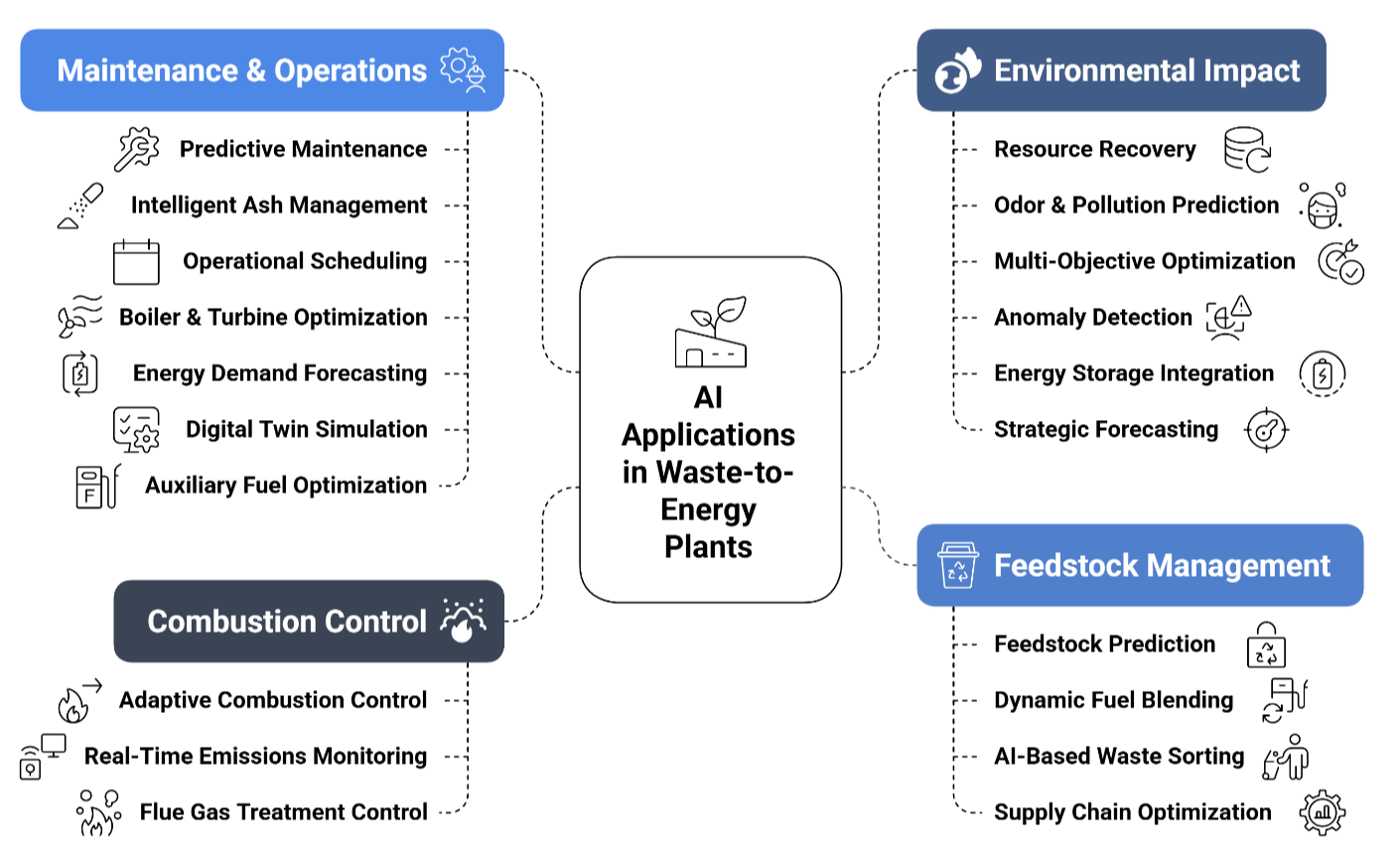
Figure 3: Core Operational Domains in AI-Assisted Waste-to-Energy Plants

- Operational efficiency & predictive maintenance: AI reduces unplanned downtime, detects anomalies and optimizes process parameters to raise yields and cut waste.
- Faster R&D & shorter time-to-insight: AI-driven autonomous workflows and lab automation speed up experiment planning and execution, compressing discovery timelines.
- Reduced use of chemicals & greener processes: ML-assisted solvent selection and reaction optimization lower reagent consumption and help find less-toxic alternatives.
- Cost savings: By cutting energy use, material waste and maintenance costs, AI delivers measurable OPEX reductions.
- Improved quality control & process stability: Real-time sensor analytics and closed-loop control maintain product consistency under variable feedstock.
- Smarter supply-chain & market forecasting: AI improves raw-material price and demand forecasting and enables dynamic supplier selection to reduce risk.
- Stronger sustainability outcomes: AI helps optimize energy use and select lower-impact routes, supporting decarbonization and circularity goals.
- Data Quality, Availability & Fragmentation: Chemical datasets are often fragmented, siloed, and unstructured, severely limiting model training and reliability.
- Integration with Legacy Systems & Infrastructure: Integrating AI into legacy chemical plants is challenging, requiring costly hardware upgrades, workflow adaptation, and skilled experts to retrofit outdated systems and tailor AI to facility-specific data.
- Lack of Skilled Personnel & Domain Expertise: A significant shortage exists of professionals who possess both deep chemical/process engineering knowledge and AI/ML skills, hindering effective deployment.
- High Upfront Costs & Unclear Short-Term ROI: The substantial costs associated with hardware, software, data infrastructure, and talent pose barriers, especially for SMEs lacking clear immediate ROI.
- Regulatory, Safety & Interpretability Constraints: Chemical processes must meet strict regulatory and safety standards; AI models must be auditable and transparent, not a "black box."
- Ethical and Environmental Considerations: As AI is applied to sensitive areas such as toxicology prediction, emissions modeling, and pharmaceuticals, maintaining ethical standards, data privacy, and environmental responsibility becomes vital to prevent misuse and ensure sustainable innovation.
Real-World Applications of AI in Chemical and Environmental Industries
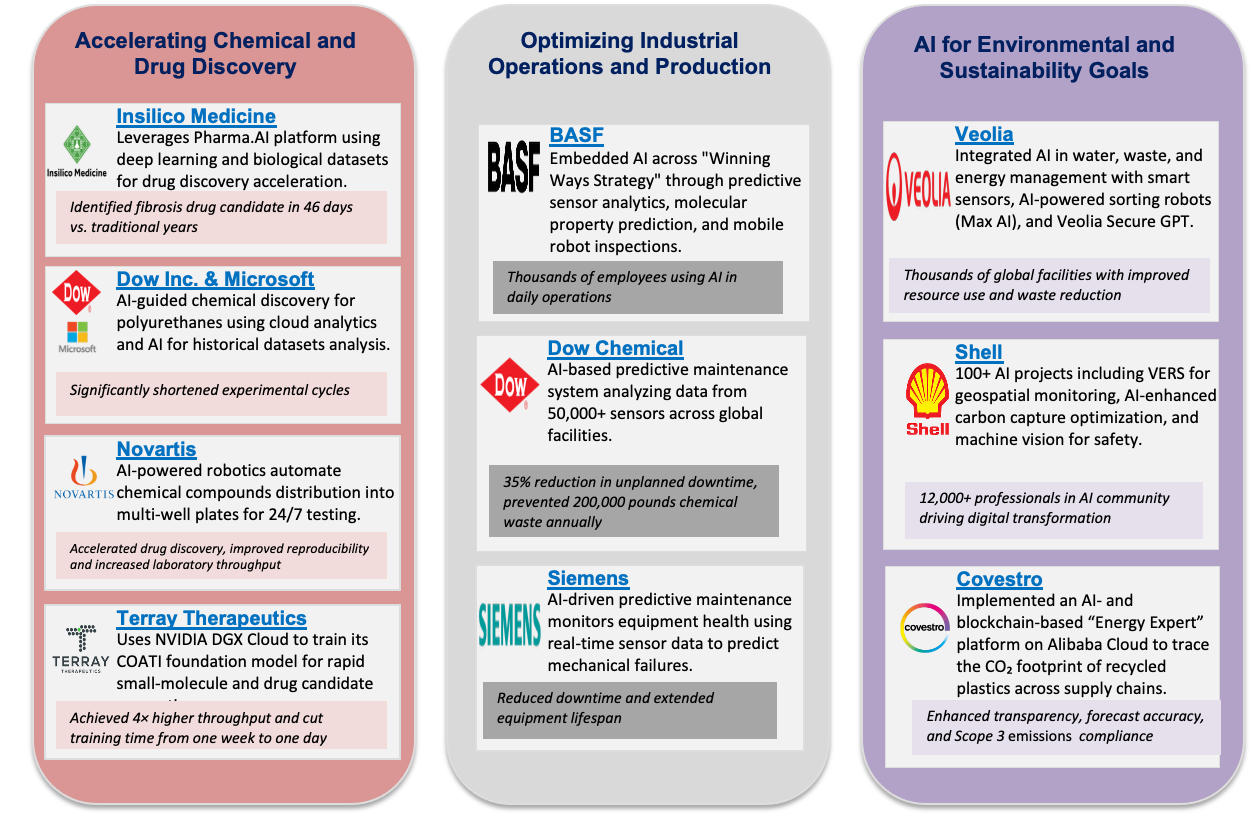
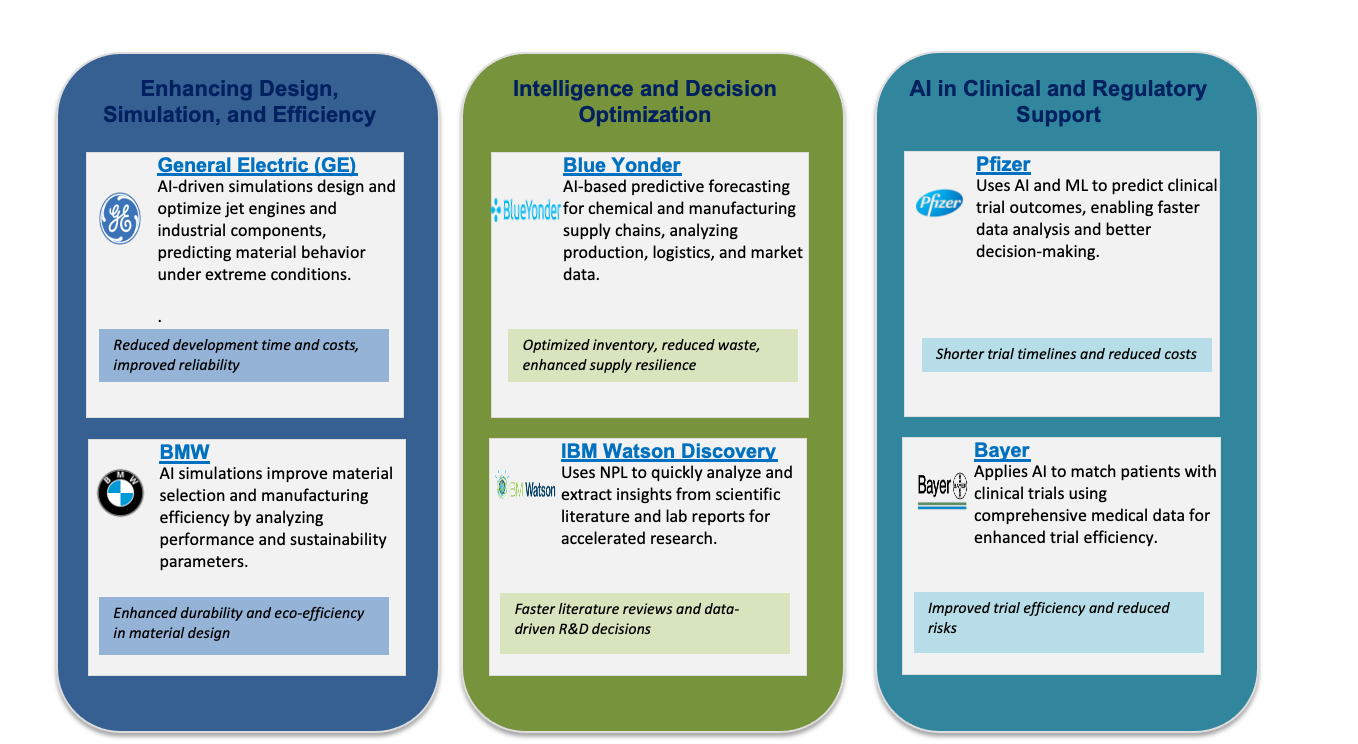
Figure 4: Real-world applications of AI in chemical and environmental sectors.
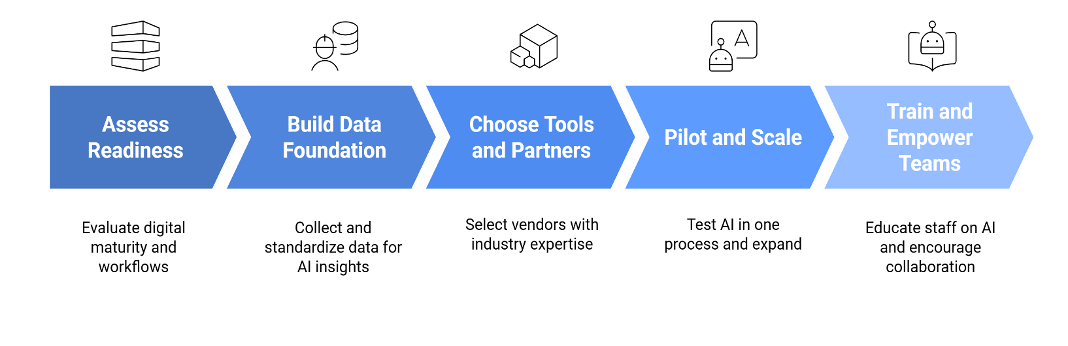
Figure 5: Steps to implement AI in the chemical industry.
- 1. Assess Readiness: Evaluate digital maturity and workflows. Identify repetitive, data-heavy tasks (e.g., equipment monitoring, lab testing) for quick AI wins. Ensure leadership alignment and team buy-in to support adoption.
- 2. Build a Strong Data Foundation: Collect and standardize data from sensors, labs, and production logs. Create a centralized data platform to improve consistency, governance, and scalability, which are all essential for accurate AI insights.
- 3. Choose the Right Tools and Partners: Select vendors with chemical industry expertise and scalable, secure solutions. Ensure smooth system integration, transparent data use, and long-term support.
- 4. Pilot, Learn, and Scale: Start small test AI in one process (e.g., predictive maintenance). Measure impact, refine methods, and expand based on proven value and team confidence.
- 5. Train and Empower Teams: Educate staff on how AI enhances their roles. Encourage collaboration between operations, engineers, and IT. A skilled, confident workforce drives sustainable AI success.
Part Two: Analysis of Scientific Publications

—Publication Trends Over the Last 20 Years
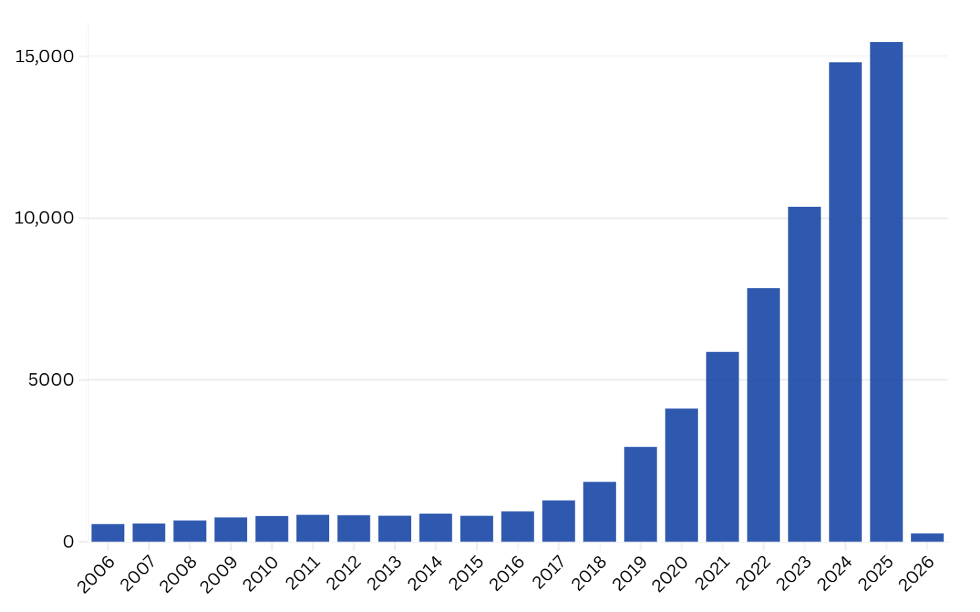
Figure 6: Scientific Publications on AI in Chemical and Environmental Processes (2006–2026), ©Questel
- Early Stage (2006–2015):
Publications were low and stable (~500–800 per year), reflecting exploratory studies and proof-of-concept research in chemical and environmental processes. - Growth Stage (2016–2019):
Publications rose from ~1000 to ~3000 per year, as AI methods began to demonstrate practical applications in optimizing reactions, controlling processes, and modeling environmental systems. - Rapid Expansion Stage (2020–2025):
Publications jumped to ~15,000 per year, fueled by deep learning, increased computational power, and larger datasets. Research focused on process efficiency, sustainability, and predictive analytics. - Future Outlook (2026):
This represents incomplete or projected data, but early indicators already show activity, suggesting continued strong interest and ongoing R&D focus.
—Geographical Coverage of Publications
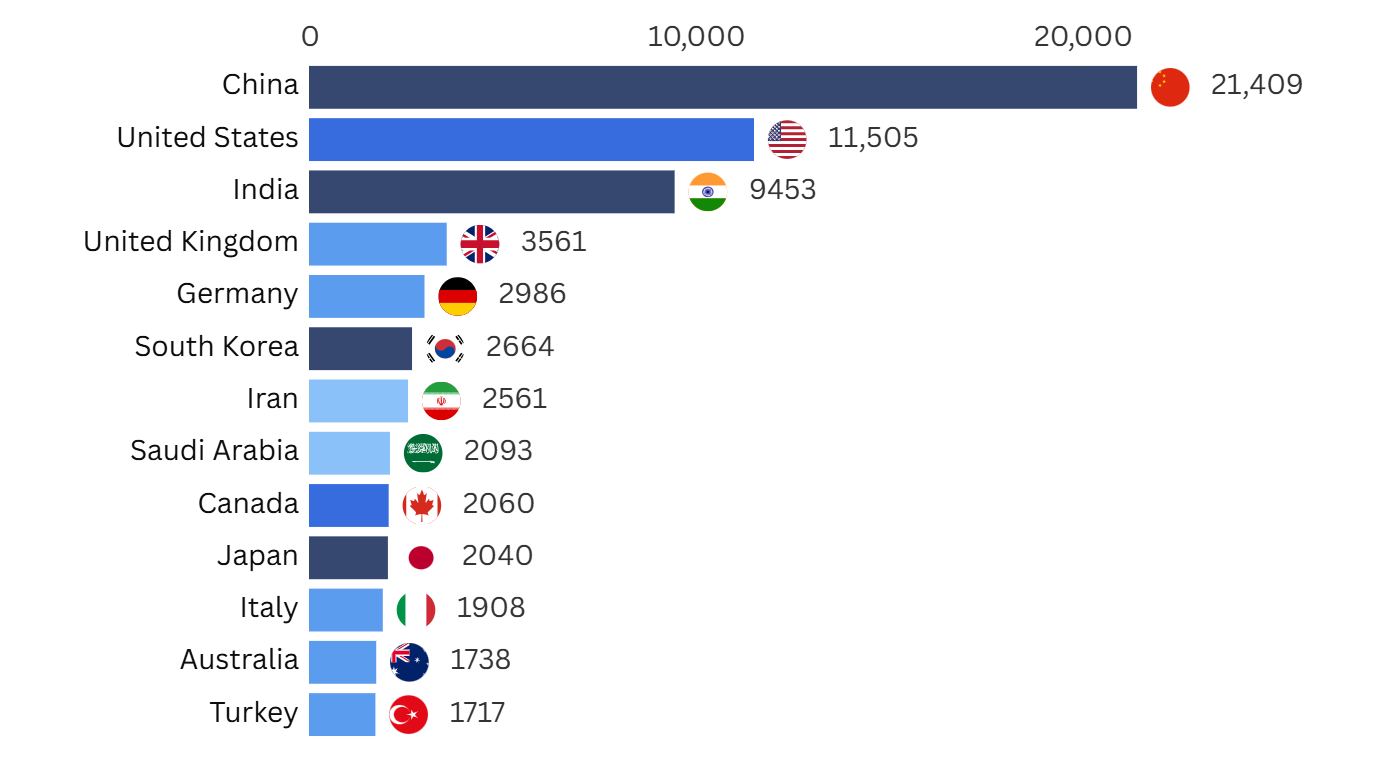
Figure 7: Number of Publications per Country, ©Questel
- Asia leads with more than (~43% of publications), with China (~29%) and India (~13%) driving the growth. South Korea (~4%) and Japan (~3%) also show notable contributions, highlighting the region’s strong investment and expanding research capacity.
- North America remains highly active, with the United States (~16%) as a major hub of AI research and industrial application in chemicals.
- Europe contributes steadily through countries like the UK, Germany, and Italy, reflecting consistent but smaller-scale research outputs.
- Other regions (Iran, Saudi Arabia, Turkey, Canada, Australia) show growing research activity, signaling emerging hubs outside the main centers.
—Key Research Affiliations
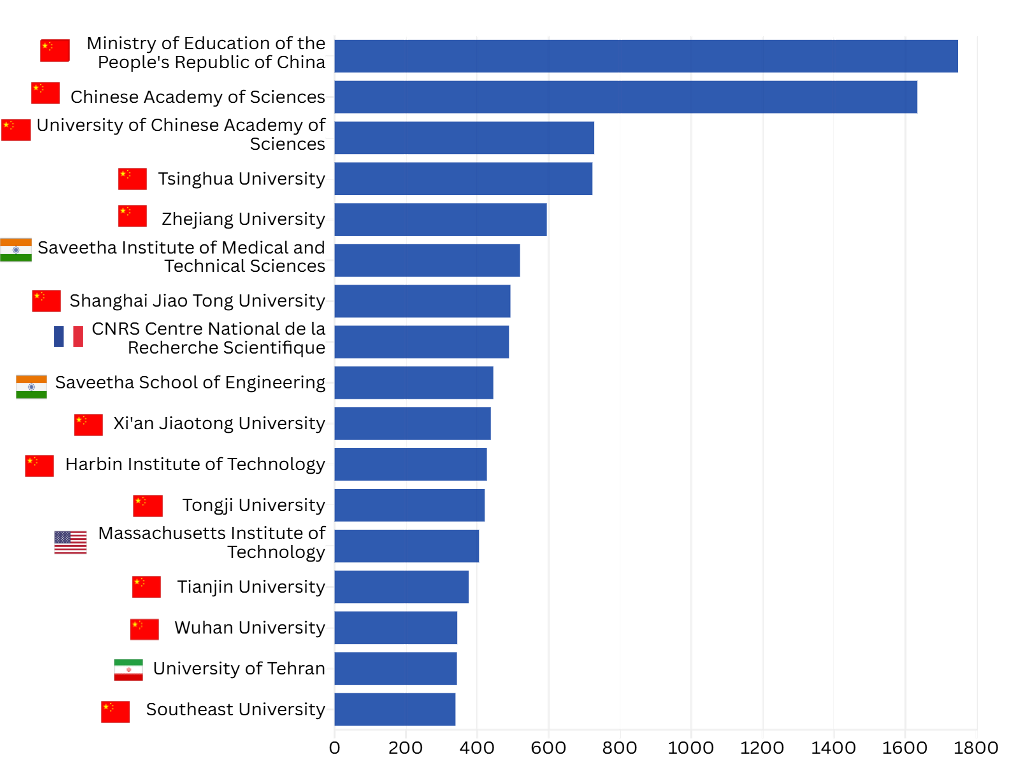
Figure 8: Top Global Affiliations Publishing on AI in Chemical and Environmental Research,©Questel
This institutional overview further confirms China’s dominant position in the field. The Ministry of Education of the People’s Republic of China, the Chinese Academy of Sciences, and leading universities such as Tsinghua University, Zhejiang University, and Shanghai Jiao Tong University stand out as major contributors to research on AI applications in chemicals. Their prominence reflects China’s coordinated strategy to strengthen AI-driven innovation across science and industry.
European and U.S. institutions, including CNRS (France) and the Massachusetts Institute of Technology (MIT), maintain a strong but smaller presence. Growing contributions from India, with the Saveetha Institute of Medical and Technical Sciences and Saveetha School of Engineering, and from Iran, with the University of Tehran, highlight the expanding global interest in applying AI to environmental and industrial challenges.
—Distribution of Publications by Subject Area
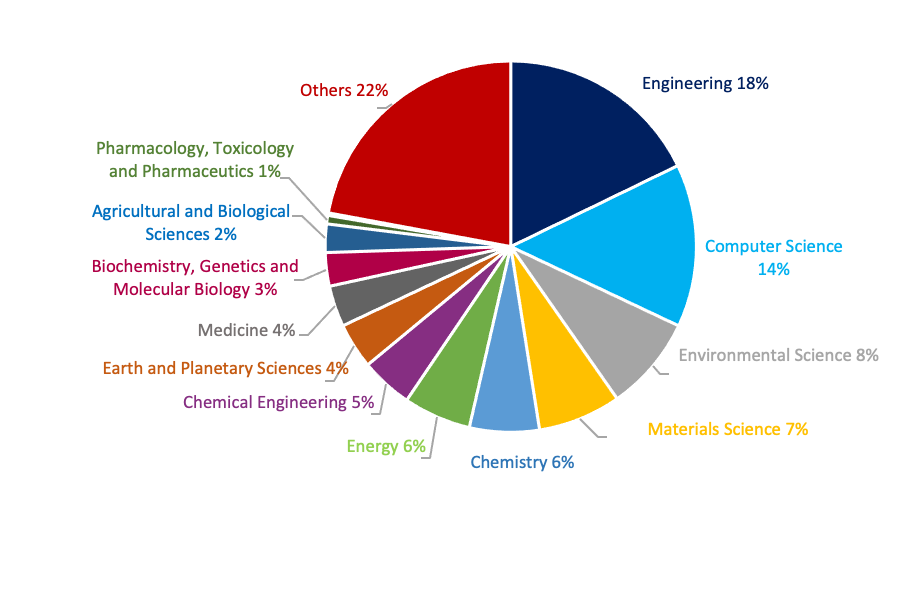
Figure 9: Scientific Publications on AI in Chemical and Environmental Processes by Subject Area,©Questel
- The subject distribution shows that Engineering (18%) and Computer Science (14%) lead the research landscape, reflecting the strong technological base driving AI integration in chemical and environmental engineering.
- Environmental Science (8%), Materials Science (7%), and Chemistry (6%) together represent a significant portion of publications, highlighting the growing scientific interest in applying AI to address sustainability challenges, resource efficiency, and advanced material design.
- The presence of Energy (6%) and Chemical Engineering (5%) further underscores the relevance of AI in optimizing energy use, and emissions monitoring.
Part Three: What Can Patent Dynamics Tell Us About AI Integrations in Chemicals and Chemical and Environmental Processes?

—Key Trends: Filing Periods
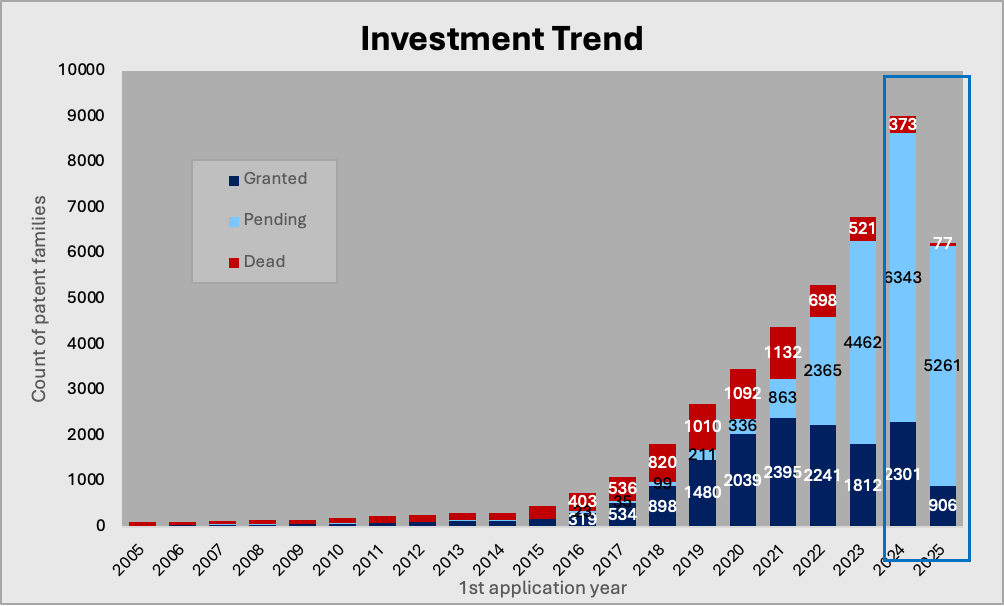
Figure 10: Patent Family Trends (2005–2025),©Questel
Early Stage (2005–2014):
- Patent activity remains very limited (<100 filings/year), showing that AI in chemical and environmental processes was still in an experimental and academic phase.
- Companies and institutions were exploring feasibility rather than protecting IP, indicating minimal industrial engagement.
Growth Phase (2015–2019):
- The number of patent families starts to rise steadily, reflecting the first real wave of industrial interest in AI for process optimization and modeling.
- The appearance of dead patents and an increase in granted and pending filings signal the beginning of strategic IP portfolio management.
Rapid Expansion (2020–2023):
- Patent filings increase exponentially, with pending patents dominating (3,000–7,000 families) and a parallel growth in granted ones as earlier applications mature.
- The trend reflects massive R&D investment and a global race for IP leadership, positioning AI as a central enabler of chemical and environmental innovation.
Ongoing Momentum in Incomplete Years (2024–2025):
- Although 2024–2025 data are still incomplete, the exceptionally high volume of pending patents (over 9,000 families) demonstrates sustained investment and continuous innovation in AI-driven chemical and environmental technologies.
- This surge, even within partial years, suggests that the upward trend will likely persist.
—Top Players by Legal Status
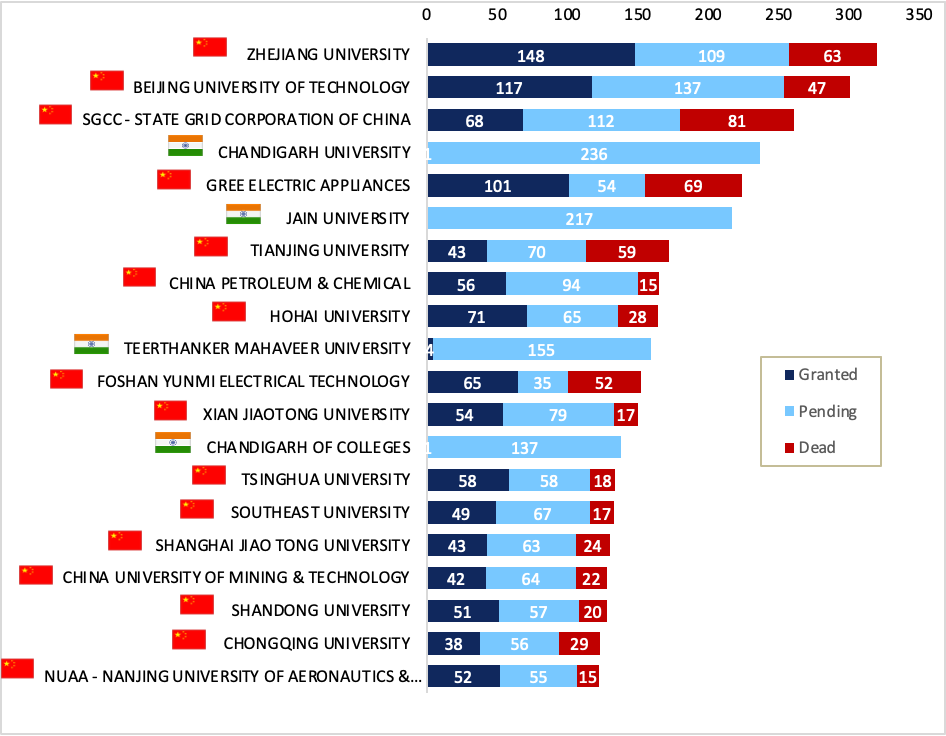
Figure 11: Top 20 key players by legal status, ©Questel
Chinese universities and companies dominate the patent landscape, reflecting China’s strategic focus on AI-driven chemical and environmental innovation. Leading institutions such as Zhejiang University, Beijing University of Technology, and the State Grid Corporation of China (SGCC) hold large and balanced patent portfolios, combining granted and pending patents. This mix demonstrates both technological maturity and a continuing innovation pipeline.
Some entities, including Gree Electric Appliances, Hohai University, and Foshan Yunmi Electrical Technology, have a higher share of dead patents, likely representing early experimentation or strategic shifts toward more promising technologies. Meanwhile, emerging players from India, such as Chandigarh University, Jain University, and Teerthanker Mahaveer University, show a high proportion of pending patents, highlighting rapidly expanding research activity beyond China.
Most top assignees are academic institutions, representing ~60% of the players, which confirms the research-driven nature of AI in these fields. The presence of industrial players like Gree Electric Appliances and China Petroleum & Chemical Corporation (Sinopec) signals a technology transfer trend, translating academic advances into practical industrial solutions.
Several Chinese universities, such as Zhejiang University, Tsinghua University, Tianjin University, and Southeast University, rank among the top 20 in both patents and publications, demonstrating their dual strength in research and innovation and emphasizing the direct link between academic excellence and patentable technologies.
—Geographical Coverage and Distribution of Innovation
- R&D countries
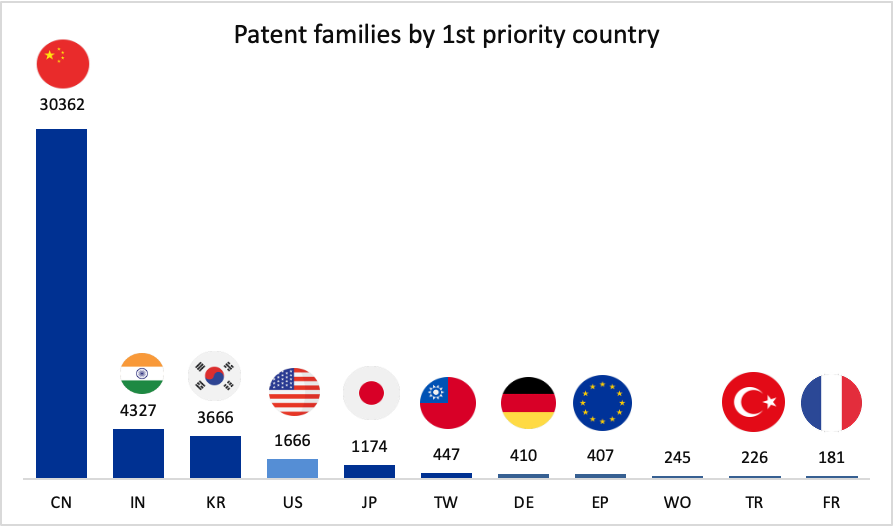
Figure 12: Geographical distribution of first-priority patent filings, ©Questel
China: Global Leader
China holds around 69% of total patents, far ahead of any other country, reflecting its rapid industrial expansion and large-scale investment in AI for the chemical sector. The country leverages AI to scale up production and improve manufacturing efficiency. Supported by government initiatives and strong private investment, China leads the integration of AI for new material development and advanced industrial applications.
India & South Korea: Emerging Asian Hubs
India (~10%) and South Korea (~8%) are rapidly growing innovation centers. Their activity reflects industrial digitization, smart manufacturing, and sustainability programs, confirming they are central to Asia Pacific’s fast-paced growth, as the region records the world’s highest rate of AI adoption in industrial and environmental processes.
United States & Japan: Quality-Focused Innovators
The United States represents around 4% of total patents, while Japan accounts for about 3%, maintaining steady but moderate activity. Their portfolios focus on advanced analytics and process optimization.
Europe & Others: Fragmented Yet Active
Innovation is spread across smaller players. Taiwan, Germany, and Europe contribute modestly, reflecting decentralized and cross-disciplinary research, with Turkey and France representing emerging participants. European innovation is strongly shaped by sustainability and green chemistry goals.
- Geographical protection
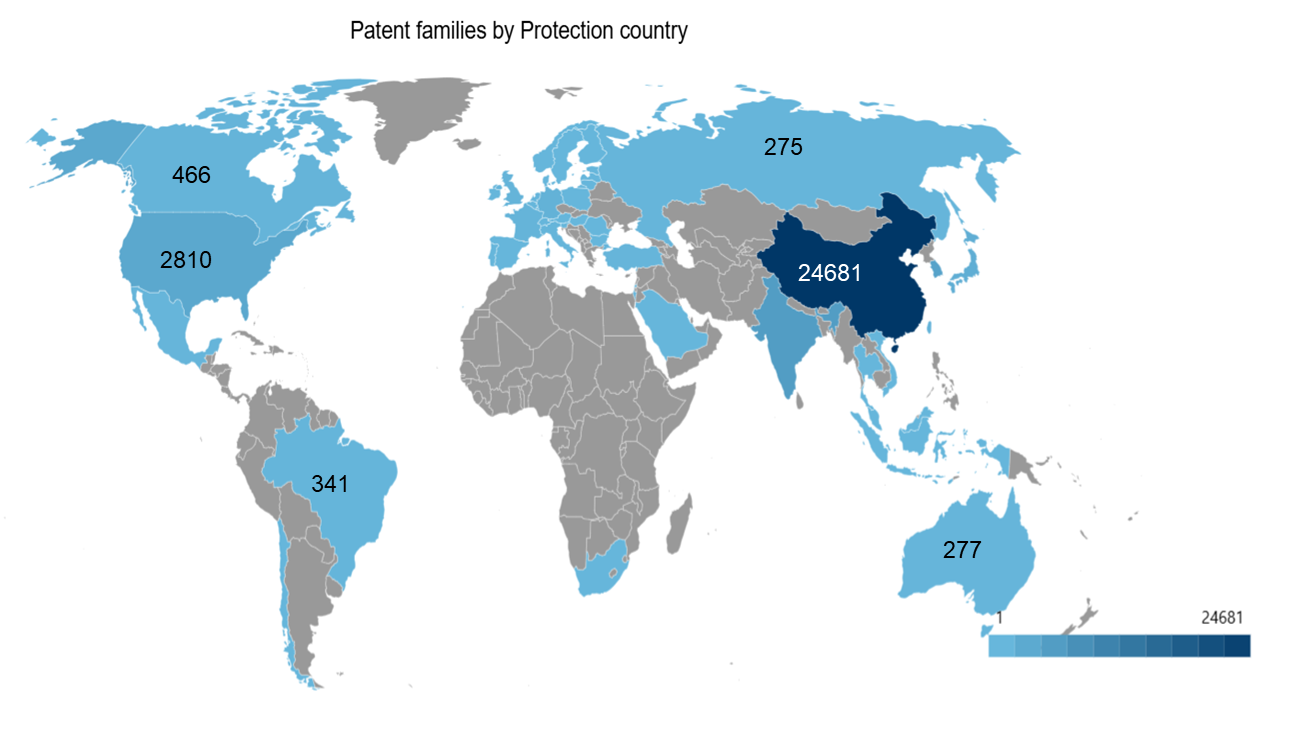
Figure 13: World map of patent protection distribution, ©Questel
- China (CN) dominates the global patent landscape, reflecting both a strong domestic innovation ecosystem and an aggressive focus on AI-driven chemical and environmental technologies. Its patenting strategy covers a broad range of areas, from chemical synthesis to environmental monitoring, waste management, process optimization, and pollution control, demonstrating comprehensive protection across high-impact sectors.
- India (IN) occupies the second position, signaling a rapidly growing interest in leveraging AI for the chemical and environmental sectors. This surge likely reflects a dual focus on sustainability and adoption of AI for process optimization, waste reduction, waste-to-energy processes, and green chemistry solutions.
- The United States (US) follows closely, with patents emphasizing industrial efficiency, pollution mitigation, and chemical process optimization. The US approach combines protection in key industrial sectors with applications that enhance operational performance and environmental responsibility.
- South Korea (KR) is particularly prominent in water and wastewater treatment, where patent protection is concentrated. Its filings reveal a targeted strategy in sectors where water management is critical, alongside continued innovation in environmental monitoring and process improvement.
- Japan (JP) has a strong focus on water and wastewater treatment, environmental and gas monitoring, waste management, and process optimization. Its patent portfolio also emphasizes molecular design and chemical innovation, reflecting a strategy centered on high-value, technology-driven applications.
—Technology Overview
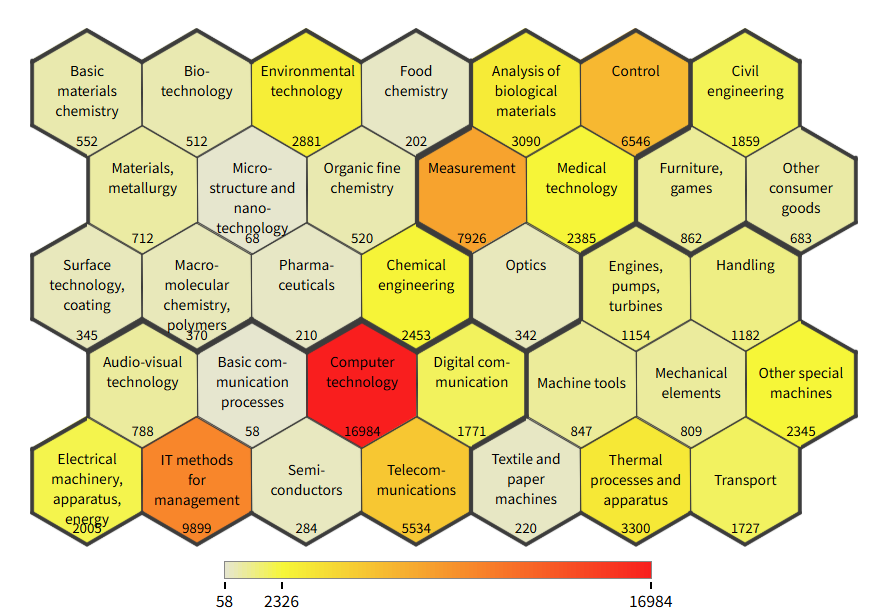
Figure 14: Technology Overview of AI Integration Across Chemical and Environmental Domain, ©Questel
- Computer Technology (16,984) and IT Methods for Management (9,899) are by far the most active. This reflects that AI innovation starts in core computational and data management technologies, which then enable applications across chemical and environmental domains.
- Measurement (7,926) and Control (6,546) are highly active, which aligns with AI-driven process control, monitoring, and optimization, critical in chemical process automation, environmental monitoring, and smart manufacturing.
- Environmental Technology (2,881), Chemical Engineering (2,453), and Thermal Processes and Apparatus (3,300) all show solid activity, highlighting a strong shift toward data-driven, process-centric innovation in the chemical industries.
- In Environmental Technology, AI is applied to intelligent monitoring, predictive pollution control, and energy optimization, driving progress in sustainability and regulatory efficiency. Within Chemical Engineering, AI supports real-time process control, fault detection, and catalyst optimization, transforming static operations into adaptive, self-optimizing systems. Meanwhile, activity in Thermal Processes reflects efforts to reduce energy use, enhance throughput, and predict system failures in high-temperature or energy-intensive environments.
- Analysis of Biological Materials (3,090) and Medical Technology (2,385) shows significant crossover, indicating AI’s role in bio-based chemistry and environmental health monitoring.
- Moderate but Growing Chemical-Specific Fields, such as Macromolecular Chemistry/Polymers (370), Organic Fine Chemistry (520), and Pharmaceuticals (210), are smaller but notable. These areas indicate emerging uses of AI in molecular modeling, drug discovery, and material design, though they’re less mature than engineering applications.
- Peripheral or low-activity fields like Microstructure and Nanotechnology (68) and Basic Communication Processes (58) are less represented, meaning AI integration here is still in its early stages.
—Evolving Patterns of Technological Application
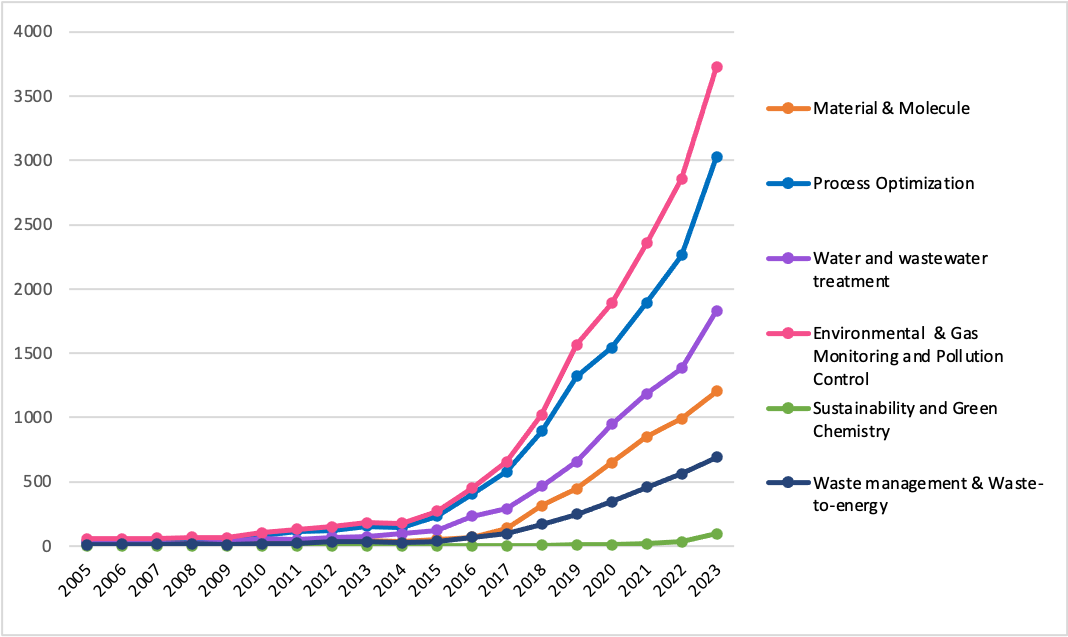
Figure 1: Dynamic trend of AI-related patent filings in chemical and environmental domains (2005–2023), ©Questel
Over the past two decades, AI integration in chemical and environmental domains has accelerated significantly, with a pronounced surge after 2015. This trend reflects the rapid adoption of machine learning, predictive analytics, and process automation across chemical engineering, materials research, and environmental systems.
Environmental and gas monitoring has emerged as the dominant area of innovation, showing exponential growth and far surpassing other domains by 2023. This reflects the critical role of AI in emission tracking, pollution prediction, and sensor optimization, driven by regulatory requirements and sustainability goals. Process optimization follows closely, highlighting the widespread deployment of AI for real-time control, predictive maintenance, and efficiency enhancement in industrial and chemical processes.
Strong momentum is also evident in water and wastewater treatment, reflecting global efforts toward sustainable water management and the application of AI in process monitoring and fault detection. The material and molecule domain shows rapid growth as well, fueled by AI-assisted material discovery, molecular modeling, and accelerated R&D efforts.
Emerging but promising trends appear in waste management and waste-to-energy applications, where AI supports recycling optimization, energy recovery, and circular economy solutions. In contrast, sustainability and green chemistry remain in earlier stages of adoption, gradually gaining traction as AI begins to enable eco-friendly design and green process innovation.